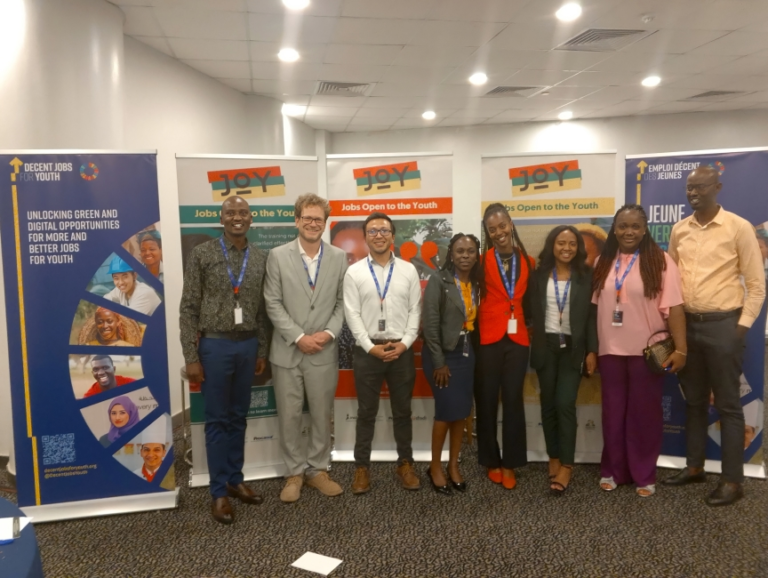
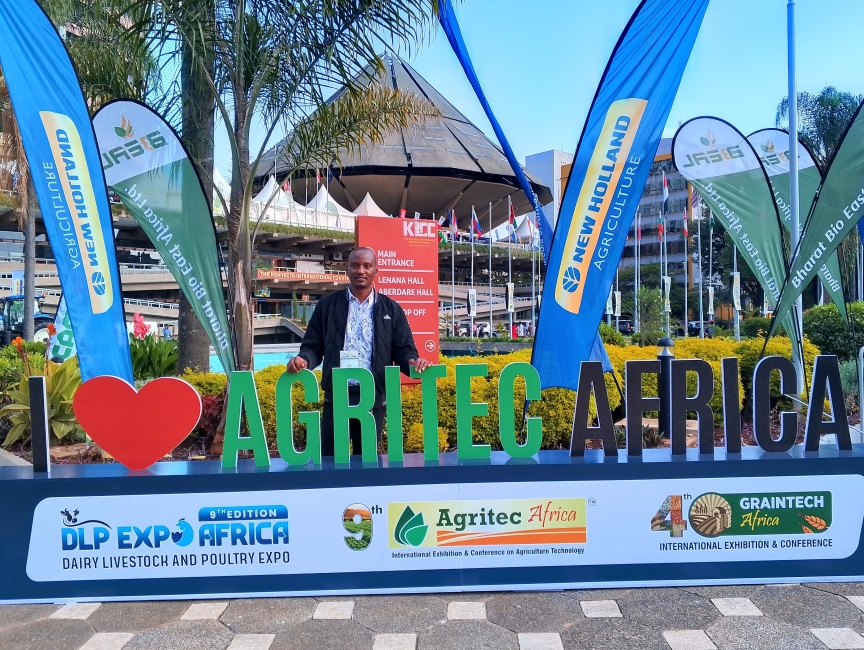
The world of organic agriculture is constantly evolving. With new research, products, and technologies emerging every year, it’s crucial to stay informed. By attending industry seminars, we ensure that we are not only providing the highest quality organic fertilizers to our customers but also staying ahead of the curve in sustainable farming practices. These seminars provide us with the opportunity to network with experts, exchange ideas, and learn from thought leaders in the field.
1. International Organic Farming Conference: Advancing Sustainable Agriculture
One of the most notable seminars our team attended was the International Organic Farming Conference. This conference brought together farmers, researchers, and businesses from around the world to discuss the latest trends in organic farming practices and the growing demand for organic fertilizers.
Key Takeaways:
- Soil Health and Fertility: We learned about the importance of soil health as the foundation of organic farming. Several experts discussed soil biodiversity, the role of microbes, and how healthy soils contribute to higher crop yields and better resilience against pests and diseases.
- Innovative Organic Fertilizer Practices: We explored new techniques for improving the effectiveness of organic fertilizers, including integrating composting with vermiculture (earthworm farming). We also learned about the importance of balancing nitrogen, phosphorus, and potassium in organic fertilizers to maximize their benefits for different crops.
- Sustainability Standards: A significant part of the conference was dedicated to understanding the global certification standards for organic products. We gained valuable insights into how to maintain high levels of product transparency, ensuring that our fertilizers meet international organic standards.
2. Sustainable Fertilizer Technologies Workshop
Another seminar that proved to be incredibly valuable was the Sustainable Fertilizer Technologies Workshop, where the focus was on the latest innovations in natural fertilizers and how they can be used to address global environmental challenges. This workshop provided a deep dive into the scientific advancements behind organic fertilizers and how they compare to conventional chemical fertilizers.
Key Takeaways:
- Biological Fertilizers and Microbial Inoculants: We explored the growing field of biological fertilizers, which use beneficial microorganisms to enhance soil fertility. The workshop demonstrated how these products can increase nutrient availability to plants while promoting healthier soil ecosystems.
- Nutrient Release Control: One of the major breakthroughs discussed was controlled-release fertilizers, which allow nutrients to be released gradually, reducing waste and enhancing the efficiency of organic fertilizers.
- Environmental Impact: The importance of reducing the carbon footprint of fertilizers was a key theme. By using organic sources of nutrients, we contribute to reducing greenhouse gas emissions and improving the overall health of the planet.
3. Agri-Tech Innovation Summit: The Role of Technology in Organic Farming
At the Agri-Tech Innovation Summit, our team had the opportunity to explore how emerging technologies are being applied to organic farming practices. With advancements in technology, we can now better monitor soil health, track fertilizer efficiency, and optimize agricultural processes in a way that was previously unimaginable.
Key Takeaways:
- Smart Fertilizer Application: We learned about new technologies that allow for precision fertilizer application, including drones and sensors that monitor soil conditions in real time. These technologies help farmers apply fertilizers more accurately, reducing waste and ensuring that the right nutrients are delivered at the right time.
- Data-Driven Decision Making: The summit emphasized the growing role of data analytics in agriculture. We were introduced to tools that analyze soil data and help farmers make informed decisions about when and how to apply organic fertilizers.
- Automation in Organic Fertilizer Production: We gained insights into how automation is revolutionizing fertilizer production, making it more efficient and cost-effective while ensuring high-quality organic products.
4. Organic Certification and Regulatory Compliance Seminar
Our team also attended a seminar on Organic Certification and Regulatory Compliance, which provided a comprehensive overview of the certification process and the regulatory requirements for organic fertilizers. Understanding the intricacies of organic certification is crucial for our company to ensure that our products meet the necessary standards and regulations.
Key Takeaways:
- Certification Process: The seminar provided a step-by-step guide to obtaining and maintaining organic certification. We learned about the various stages involved, from the application process to inspections and compliance audits.
- Regulatory Changes: We received updates on changing regulations related to organic fertilizers, including new labeling requirements and guidelines for claims of sustainability. Keeping up with these changes ensures that we remain in full compliance with both national and international standards.
- Consumer Trust: The seminar highlighted the importance of transparency and clear communication with consumers regarding the certification process. We now have a deeper understanding of how to effectively communicate our organic credentials to customers, building trust and loyalty.
5. Soil Health Symposium: Enhancing Fertility through Natural Practices
One of the most impactful seminars our team attended was the Soil Health Symposium, which focused on the role of soil in organic farming and how organic fertilizers can contribute to long-term soil fertility.
Key Takeaways:
- Soil Microorganisms and Fertilizer Efficacy: We learned about the vital role soil microorganisms play in nutrient cycling and how organic fertilizers support these microbial communities. The health of these microorganisms directly impacts plant growth and overall soil fertility.
- Regenerative Agriculture: A key theme at the symposium was regenerative agriculture—a holistic approach that goes beyond sustainability. We discovered how regenerative practices, such as agroforestry and cover cropping, work hand-in-hand with organic fertilizers to rebuild and maintain healthy soils.
- Long-Term Fertility Strategies: We gained new insights into how long-term strategies, such as crop rotation and reduced tillage, enhance the effectiveness of organic fertilizers by promoting soil structure and increasing nutrient retention.
How These Seminars Are Shaping Our Future
The knowledge and insights gained from these seminars are already being integrated into our work at [Your Company Name]. Here’s how they are helping us:
-
Improved Product Development: We’re continuously refining our organic fertilizer formulas to incorporate the best practices we’ve learned, ensuring that our products are not only effective but also sustainable.
-
Enhanced Customer Education: We’re now better equipped to educate our customers on the benefits of using organic fertilizers and the role they play in promoting soil health, reducing environmental impact, and growing nutrient-rich crops.
-
Innovation in Farming Solutions: By embracing new technologies and techniques, we’re striving to create fertilizers that align with the latest advancements in agriculture, giving our customers access to innovative and effective products.
Conclusion: Committed to Sustainable Growth
Attending these seminars has been an invaluable experience for our team at [Your Company Name]. The knowledge we’ve gained allows us to stay at the forefront of the organic fertilizer industry while staying true to our mission of sustainability and quality. As we continue to learn and grow, we remain committed to producing fertilizers that not only support healthy crops but also contribute to the overall well-being of our planet.
Thank you for following our journey, and we look forward to sharing more insights with you in the future as we continue to expand our knowledge and improve our products.