Agri-tourism, or agricultural tourism, has grown into a thriving industry, combining the beauty of rural landscapes with educational experiences that give visitors a deeper understanding of farming life. At Nawiri, we’ve embraced agri-tourism as a way to share the importance of sustainable agriculture and farming innovation with a global audience.
Our goal is to create an interactive environment where visitors can not only witness but actively engage with our farming practices. Through these experiences, we hope to foster appreciation for the work that goes into producing food, raise awareness about environmental sustainability, and create opportunities for cross-cultural exchange.
The Italian Visitors: A Shared Passion for Sustainable Farming
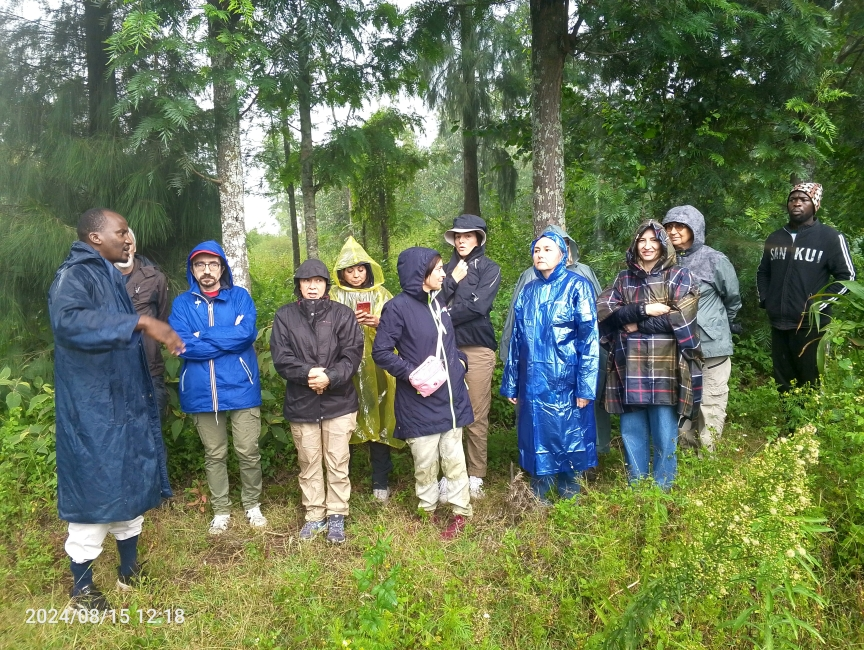
The group of visitors from Italy consisted of agricultural students, farmers, and sustainability enthusiasts. Italy is renowned for its rich agricultural traditions, from vineyards to olive groves to organic farming. Our Italian visitors were eager to learn more about our diverse farming practices, and we were equally excited to share our journey with them.
During their visit, we focused on showcasing some of our core agricultural ventures, each of which represents a unique approach to farming. Here’s a look at some of the key activities and experiences our visitors enjoyed:
1. Exploring Livestock Practices: Goat Keeping and More
One of the main areas of interest for our visitors was our livestock farming practices. In particular, they were keen to learn about our goat farming operation, which is one of our most rewarding and sustainable ventures. We shared the ins and outs of goat care, from their nutritional needs to the benefits of their milk and meat production.
Our visitors were particularly intrigued by our Nubian goats, known for their rich milk, and our Boer goats, raised for high-quality meat. They were able to interact with the goats, observe milking techniques, and learn about the various ways we incorporate goat products into the farm’s operations, from dairy production to meat sales.
We also introduced them to our Black Soldier Fly (BSF) farming, a sustainable method of waste recycling. By feeding organic waste to the larvae, we produce high-protein feed for our livestock while significantly reducing waste. This practice sparked much interest among our visitors, particularly as it aligns with Italy’s growing focus on sustainable and circular agriculture.
2. Sustainable Crop Farming and Agroecology
Our farm practices are built on a foundation of sustainability, and crop farming is no exception. We introduced our visitors to our organic vegetable and fruit production methods, which emphasize biodiversity, soil health, and minimal chemical input. They were able to tour our fields, learning about companion planting, crop rotation, and natural pest control techniques.
The highlight of our crop farming tour was a demonstration of our aquaponics system, where fish and plants grow together in a symbiotic environment. We explained how this closed-loop system conserves water, reduces waste, and produces both fish and vegetables. Our visitors were impressed by the innovation behind aquaponics and its potential for sustainable food production.
3. Bee Keeping: A Sweet and Sustainable Venture
Another area that sparked great interest was our beekeeping practice. Our Italian visitors were fascinated by how we manage our hives to produce high-quality honey while supporting local pollination efforts. We demonstrated the process of harvesting honey, showing how we maintain healthy, sustainable bee colonies and how they contribute to the farm’s overall biodiversity. The visit included a hands-on opportunity to suit up and interact with the bees, giving our visitors an up-close look at this critical and rewarding farming practice.
4. Agri-Tourism Activities: Learning and Immersion
Throughout their visit, our Italian guests had the chance to engage in a variety of activities that offered a hands-on learning experience. We organized workshops and demonstrations, allowing visitors to learn practical skills related to farming, such as milking goats, harvesting honey, and planting organic crops. These activities allowed them to gain firsthand experience of our farm’s day-to-day operations.
We also organized cultural exchanges, where our visitors could share their agricultural practices and challenges in Italy. This exchange of ideas and solutions was a valuable aspect of the trip, as it fostered deeper connections between the farming communities of both countries.
5. Culinary Experiences with Farm-to-Table Dining
No agri-tourism experience is complete without a taste of the farm’s bounty! During the visit, we treated our guests to a farm-to-table meal made with fresh ingredients directly from our farm. Our Italian visitors were particularly enthusiastic about the fresh dairy, meats, and vegetables, and we also served dishes made with our goat milk and honey. The meal was a true celebration of sustainable farming, showcasing how delicious food can come from healthy, responsible farming practices.
The Impact of the Visit: Bridging Cultures and Building Partnerships
The exchange between our farm and our Italian visitors was a remarkable opportunity to foster international connections. Through shared knowledge and experiences, we were able to discuss common challenges and explore new ways to innovate in sustainable agriculture. It was exciting to see how agricultural practices can differ from one country to another, yet share many common values, such as a focus on environmental stewardship, quality production, and community engagement.
Our Italian visitors left with a wealth of knowledge, but we, too, gained valuable insights from their perspective on agriculture. We are hopeful that this experience will lead to future collaborations, allowing for deeper partnerships in sustainable farming between Italy and [Your Farm Name].
The Future of Agri-Tourism at Nawiri
As we continue to embrace the agri-tourism model at [Your Farm Name], we look forward to welcoming more international visitors and continuing to promote sustainable farming practices. We are already planning future projects that include educational workshops, farm tours, and hands-on training opportunities for students and professionals in the agriculture industry.
Agri-tourism not only helps support our farm’s educational goals but also creates a unique opportunity for visitors to learn about farming, sustainability, and the importance of local food systems. It’s a win-win for both our farm and the global agricultural community.
We would like to thank our Italian guests for their visit, for sharing their knowledge, and for their enthusiasm in learning about our farm. We look forward to building more connections and continuing to share the joys and challenges of farming with the world.
Conclusion: Embracing the Global Agricultural Community
Hosting foreign visitors from Italy as part of our agri-tourism project was a powerful reminder of the interconnectedness of farming communities across the globe. By sharing our practices, learning from others, and promoting sustainable agriculture, we’re creating a global network of farmers and agriculture enthusiasts dedicated to making a positive impact on the environment and food systems. We can’t wait to continue this journey of knowledge-sharing and innovation through agri-tourism at [Your Farm Name].
Thank you for following our journey!