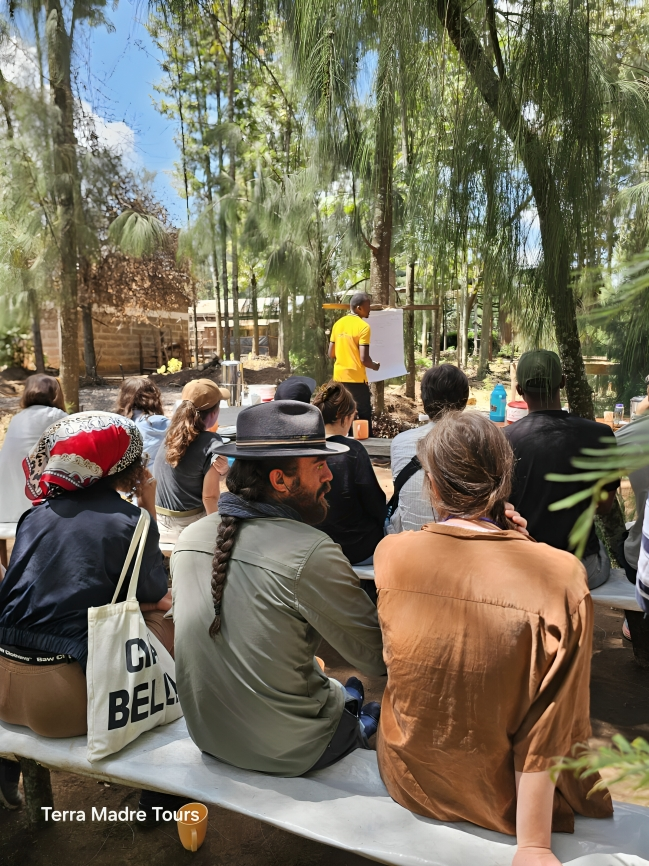
Over the years, our company has designed and offered a series of training programs to empower farmers with the tools and expertise necessary to maximize their success in organic farming. These programs are tailored to various levels of experience, from beginner farmers to seasoned experts, and focus on practical, hands-on learning. In this blog post, we’ll give you an overview of the training programs we’ve offered, how they’ve impacted farmers, and why we’re committed to continuing our educational efforts.
Why Training Farmers Matters
Training is a vital component of sustainable agriculture. While high-quality organic fertilizers are essential for healthy crops, how they are applied and integrated into farming practices can make a huge difference. Without proper training, even the best fertilizers may not reach their full potential.
Through our training programs, we aim to:
- Educate farmers on the importance of soil health and sustainable practices
- Teach them how to optimize the use of organic fertilizers
- Empower them with the skills to manage and improve their land over the long term
- Foster a community of farmers who support each other and share knowledge
By offering these programs, we not only help farmers improve their productivity and income but also contribute to the overall health of the environment.
1. Introduction to Organic Farming: For Beginners
Our Introduction to Organic Farming program is designed for those new to organic farming or looking to transition from conventional methods. This training covers the basics of organic agriculture, including the principles of sustainable farming, soil health, pest control, and organic certification.
Key topics include:
- What is Organic Farming?: Understanding the core principles of organic agriculture, including ecological balance and biodiversity.
- Soil Health: The importance of maintaining healthy soils, and how organic fertilizers support soil microbiology and fertility.
- Crop Rotation and Companion Planting: Strategies to maintain soil fertility and prevent pest outbreaks naturally.
- Pest and Weed Management: Techniques such as mulching, natural pest predators, and organic pesticides to maintain healthy crops without harming the environment.
Farmers who complete this training leave with the foundational knowledge needed to start their journey into organic farming, understanding both the challenges and rewards of sustainable agricultural practices.
2. Advanced Organic Fertilizer Use and Application Techniques
For farmers who are already practicing organic farming but want to deepen their understanding of organic fertilizers, our Advanced Organic Fertilizer Use and Application Techniques program offers a more in-depth look at how to get the most out of organic fertilizers.
Key topics include:
- Nutrient Requirements for Different Crops: Understanding how to match organic fertilizer types with the specific needs of different crops.
- Proper Fertilizer Application Methods: Techniques for applying fertilizers to maximize their effectiveness and reduce waste. This includes timing, application tools, and methods like fertigation (using irrigation systems to apply fertilizers).
- Soil Testing and Fertilizer Customization: Teaching farmers how to conduct basic soil tests and interpret the results to customize their fertilizer use for optimal crop growth.
- Sustainable Fertilizer Practices: Exploring how to integrate organic fertilizers into a comprehensive, sustainable farming plan that includes composting, mulching, and agroecological principles.
This program is particularly beneficial for farmers looking to scale their operations and improve the efficiency of their fertilizer use, ensuring that their crops thrive while minimizing environmental impact.
3. Composting and Organic Waste Management Workshop
Effective composting is one of the cornerstones of organic farming. In our Composting and Organic Waste Management Workshop, we teach farmers how to turn organic waste into nutrient-rich compost that can improve soil health and reduce reliance on purchased fertilizers.
Key topics include:
- Composting Basics: Understanding the essential ingredients for successful composting—carbon, nitrogen, water, and oxygen.
- Composting Methods: Exploring different methods of composting, such as traditional pile composting, vermicomposting (using worms), and bokashi (fermentation-based composting).
- Compost Testing and Quality Control: Teaching farmers how to test compost for nutrient content and ensure its quality.
- Managing Organic Waste: How to effectively manage farm waste, reduce landfill impact, and recycle nutrients back into the soil.
Farmers leave this workshop equipped with the skills to set up their own composting systems, ensuring that they have a sustainable, low-cost source of organic matter for their farms.
4. Soil Health and Fertility Management Training
Soil is the foundation of every farm, and maintaining its health is critical for sustainable agricultural success. Our Soil Health and Fertility Management Training dives deep into the science of soil fertility, soil amendments, and the role of organic fertilizers in promoting long-term soil health.
Key topics include:
- Soil Structure and Composition: Understanding the physical, chemical, and biological properties of soil and how they affect plant growth.
- Soil pH and Fertility: How to monitor and adjust soil pH, and the role of organic fertilizers in balancing nutrient availability.
- Enhancing Soil Microbial Activity: The importance of soil microorganisms in nutrient cycling and how organic fertilizers promote a thriving microbial ecosystem.
- Soil Testing and Interpretation: Teaching farmers how to perform and interpret soil tests to guide fertilizer application and improve soil health.
Farmers who complete this training understand the fundamental processes that influence soil health and are better equipped to make informed decisions that will benefit their farms for years to come.
5. Pest and Disease Management in Organic Farming
In organic farming, pest and disease management requires a different approach compared to conventional farming. Our Pest and Disease Management in Organic Farming program helps farmers learn how to identify common pests and diseases and control them using organic, sustainable methods.
Key topics include:
- Identifying Common Pests and Diseases: Learning to recognize the symptoms of pest damage and common diseases in organic crops.
- Preventative Measures: Teaching farmers how to prevent pest infestations and disease outbreaks through practices like crop rotation, companion planting, and proper irrigation.
- Natural Pest Control Methods: Using biological controls, such as beneficial insects and predators, as well as organic sprays and repellents.
- Integrated Pest Management (IPM): Understanding how to combine different pest management strategies to minimize the use of any one method and keep the farm ecosystem balanced.
By attending this program, farmers gain the knowledge and tools to reduce their dependence on chemical pesticides and herbicides, leading to healthier crops and a safer environment.
6. Farm Business and Marketing Training for Organic Farmers
Running a successful organic farm goes beyond cultivation—it also involves sound business practices. Our Farm Business and Marketing Training for Organic Farmers is designed to help farmers understand how to effectively manage their farm as a business and market their organic products to consumers.
Key topics include:
- Business Planning and Financial Management: Learning how to develop a business plan, manage farm finances, and track expenses and profits.
- Organic Certification and Branding: Understanding the certification process and how to market organic products as a brand.
- Selling to Local Markets: Strategies for selling directly to consumers, building relationships with local markets, and getting your products into restaurants and grocery stores.
- Sustainability as a Selling Point: Using sustainability practices as a marketing tool to appeal to environmentally conscious consumers.
Farmers leave this program with the knowledge to manage their farms more effectively, improve their profitability, and market their products successfully.
Conclusion: Growing Together for a Sustainable Future
At [Your Company Name], we believe that empowering farmers through education is key to fostering a more sustainable agricultural future. By offering these comprehensive training programs, we are not only helping farmers improve their productivity and soil health but also promoting the adoption of sustainable farming practices that benefit the environment.
We’re excited to continue offering these programs and look forward to helping even more farmers unlock the full potential of their land, crops, and businesses. Together, we can build a future where farming is not only more profitable but also more sustainable for generations to come.
Thank you for following our journey in supporting farmers through education and innovation!


