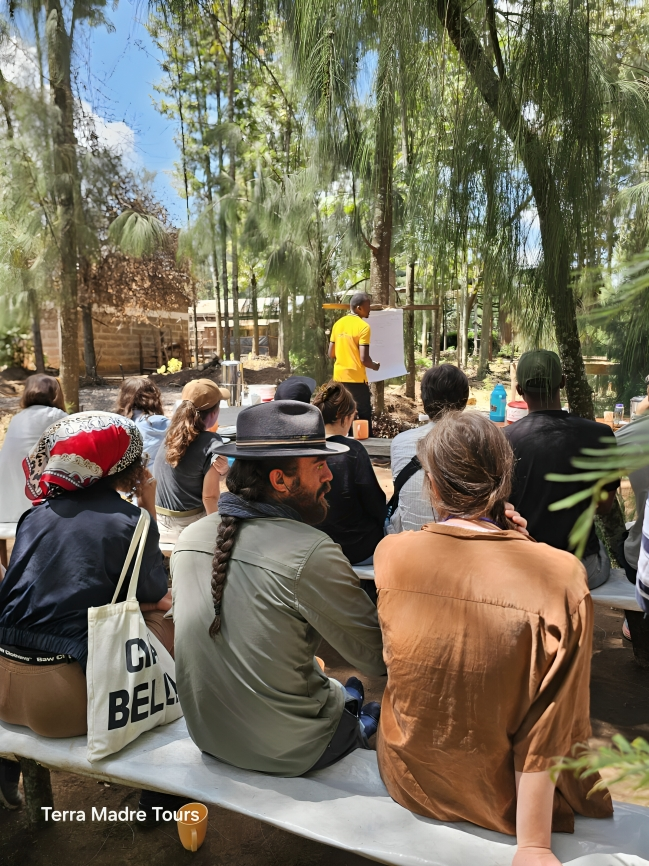
At Nawiri, we’re constantly striving to innovate and implement sustainable farming practices that not only benefit our farm but also contribute to the health of the environment. One such practice that has truly made a difference is our Black Soldier Fly (BSF) keeping initiative. Through this innovative approach, we’ve been able to reduce waste, produce high-quality protein for livestock feed, and support a more sustainable farm ecosystem.
In this blog post, we’re excited to share how we began our journey with Black Soldier Fly keeping, the process behind it, and the significant benefits it has brought to our farm and the larger agricultural community.
The Inspiration Behind Our BSF Practice
As a company focused on sustainable agriculture, we recognized the need to reduce waste and find more efficient ways of producing feed for our farm animals. Traditional animal feed is often resource-intensive, requiring vast amounts of grains and other inputs that could be better utilized elsewhere. Additionally, the agricultural industry faces the challenge of waste disposal—whether it’s food scraps, farm by-products, or organic waste.
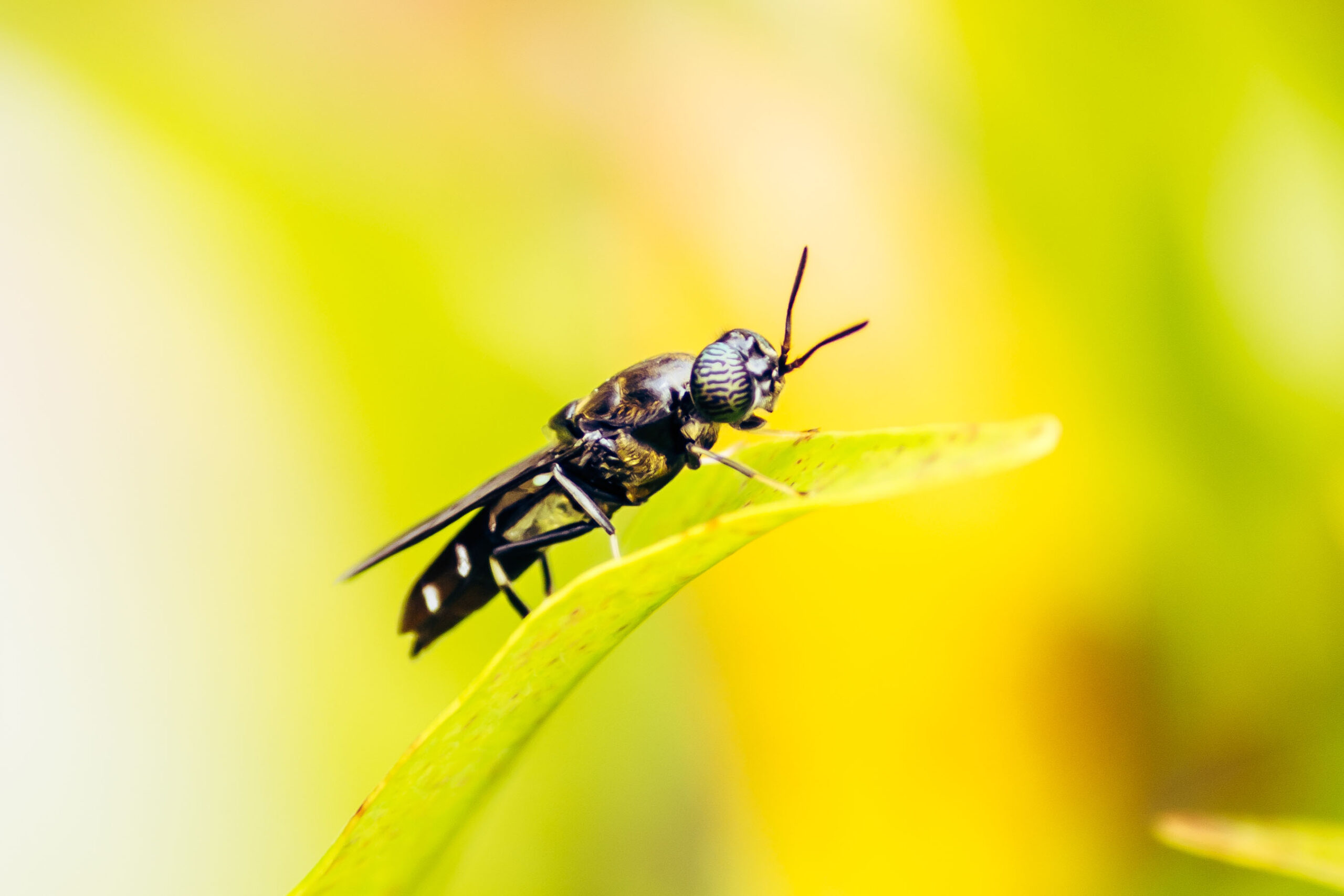
That’s where the Black Soldier Fly (BSF) came in. Known for its ability to convert organic waste into high-quality protein, the BSF offers a sustainable solution to multiple problems. By keeping these incredible insects on our farm, we could address waste management while simultaneously producing a nutrient-dense feed for our livestock.
How We Got Started with Black Soldier Fly Keeping
Starting our BSF practice was an exciting venture that required careful planning and research. Initially, we sourced BSF larvae (also known as BSFL) from reputable suppliers to establish our colony. We began with small-scale production, creating the ideal environment for the BSF larvae to thrive.
Here’s a breakdown of how we set up our BSF farming system:
-
Creating the Right Habitat: BSF larvae thrive in warm, moist environments. To mimic this natural setting, we designed specialized containers and bins with adequate ventilation and moisture control. These containers are kept in shaded areas to maintain the ideal temperature range (around 80°F or 27°C) for optimal larval growth.
-
Feeding the Larvae: The BSF larvae are fed organic waste from various sources, such as food scraps, farm by-products, and plant matter. These larvae are nature’s recyclers—they break down organic matter and transform it into nutrient-dense protein and fat, which can be harvested for livestock feed.
-
Harvesting the Larvae: After the larvae reach maturity, they are harvested and processed into high-quality protein that can be used as animal feed. The larvae contain essential amino acids, fatty acids, and other nutrients that are ideal for feeding chickens, pigs, fish, and other farm animals.
-
Waste Conversion: What makes BSF farming particularly appealing is its ability to process waste that would otherwise be discarded. Organic waste is fed to the larvae, and within a short period (usually 2-3 weeks), the larvae have converted it into valuable protein. This waste-to-nutrient process reduces the need for traditional feed ingredients like soy and corn, making it a sustainable option for animal farming.
The Benefits of Black Soldier Fly Keeping on Our Farm
Adopting BSF farming has had numerous positive impacts on both the environment and our farm operations. Here are some of the key benefits we’ve experienced:
1. Waste Reduction and Resource Efficiency
One of the most significant advantages of BSF farming is its ability to recycle organic waste. By feeding food scraps, agricultural waste, and other organic materials to the larvae, we reduce the amount of waste that would otherwise end up in landfills. This not only cuts down on waste disposal costs but also helps us repurpose resources that would have been wasted.
2. Sustainable Livestock Feed
Traditional livestock feed often relies on resource-heavy ingredients like soy, corn, and fishmeal. By incorporating BSF larvae into our feed system, we’re able to provide our animals with a sustainable, high-protein alternative. The larvae are rich in essential fatty acids, amino acids, and micronutrients, making them an excellent addition to animal diets.
Not only is this a more sustainable option, but it also reduces the pressure on agricultural lands used to grow feed crops, thus minimizing the environmental impact of traditional feed production.
3. Improved Farm Productivity
The protein and fat content in BSF larvae is a highly efficient feed source for our farm animals. Chickens, for example, have shown improved growth rates and egg production when fed BSF-based feed. Similarly, fish and pigs thrive on this nutrient-rich food. The added benefit of high-quality protein leads to better overall health, increased productivity, and reduced feed costs.
4. Enhanced Soil Fertility
Once the BSF larvae have reached maturity and are harvested, we also collect their frass (larvae waste). This nutrient-rich by-product is an excellent organic fertilizer that can be used to enrich our farm’s soil. The frass is high in nitrogen, phosphorus, and potassium, which are essential for healthy plant growth. This makes it a valuable input for our organic farming practices.
5. Contributing to Biodiversity and Ecosystem Health
By keeping BSF on our farm, we’ve contributed to the overall health and biodiversity of our ecosystem. The larvae are an essential food source for many animals, and by raising them in a controlled environment, we’ve created an integrated farming system that supports a variety of species. This diversity of life helps to balance the farm’s ecosystem, supporting natural processes that benefit the entire operation.
Expanding Our BSF Practice: The Road Ahead
As we continue to see the positive impacts of our BSF keeping practice, we are excited to scale up and refine our operation. Here are some of the future steps we’re taking to expand our BSF farm:
-
Scaling Up Production: We plan to increase the number of larvae production bins to meet the growing demand for our farm’s feed needs. With larger-scale production, we can process more organic waste and produce even more high-quality protein for our livestock.
-
Researching New Feed Ingredients: We’re also experimenting with new organic waste streams to feed the BSF larvae, such as agricultural residues and even food waste from local communities. This allows us to diversify the feed sources and ensure that we’re making the most efficient use of available resources.
-
Expanding to Other Farms: As we perfect our BSF keeping methods, we aim to share our knowledge and practices with other farms. We believe that BSF farming has the potential to revolutionize how livestock feed is produced and can benefit farmers looking for more sustainable, cost-effective alternatives.
Why BSF Keeping Matters: A Sustainable Solution
BSF farming is more than just a waste management tool—it’s a step toward creating a more sustainable, circular food system. By harnessing the power of Black Soldier Flies, we’re able to recycle organic waste into valuable protein, reduce our environmental footprint, and improve the health and productivity of our farm. It’s a practice that aligns perfectly with our commitment to sustainability and innovation at [Your Company Name].
If you’re considering a more sustainable farming practice or want to learn more about BSF keeping, we encourage you to explore this incredible opportunity. Whether it’s reducing waste, producing high-quality feed, or supporting soil health, the benefits are clear.
Thank you for following our journey. We’re excited to see where this practice takes us and look forward to sharing more updates as we continue to innovate and grow.
Here’s to a greener, more sustainable future with BSF farming!