we believe in the power of sustainability, diversity, and harmony with nature. While farming is often associated with crops and livestock, we’ve expanded our horizons to include a practice that not only benefits our farm but also contributes to the local ecosystem—fishkeeping. With water being a precious resource on our farm, we’ve found that fishkeeping is a practice that fits seamlessly into our sustainable farming approach.
In this blog post, we’ll take you behind the scenes of our fishkeeping practice, share how we got started, and highlight the many benefits this unique endeavor brings to Nawiri Farm. Whether you’re interested in adding fishkeeping to your farm or just curious about the process, we hope you find inspiration in our journey.
Starting Our Fishkeeping Journey
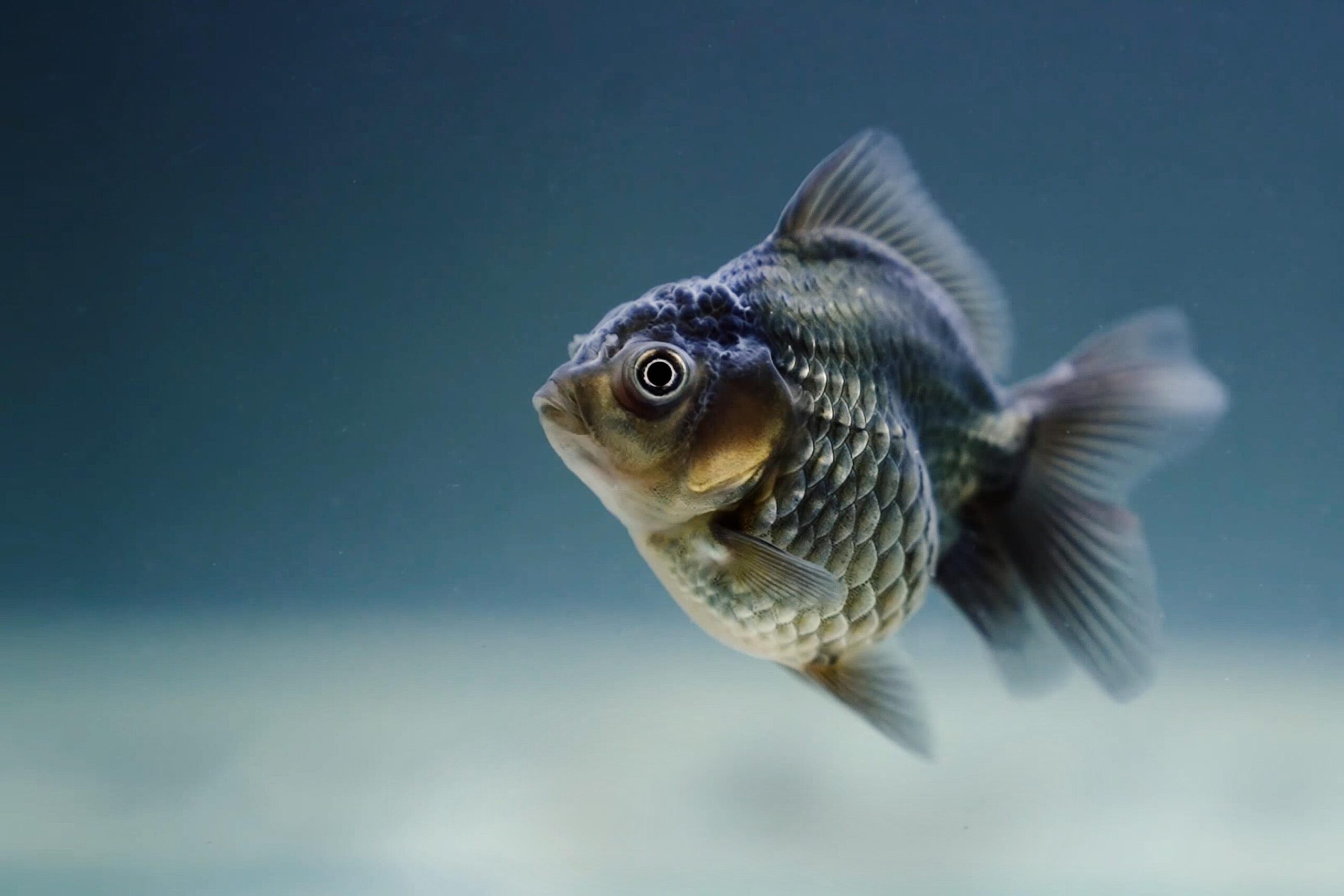
Fishkeeping at Nawiri Farm began with a desire to make the most of our water resources while enhancing the diversity of life on our farm. We recognized that fish could be an important part of our ecosystem, improving our water quality, helping with natural pest control, and providing us with a source of protein.
We started small, setting up a few ponds and fish tanks with species that are well-suited for farming environments. Our first fish were tilapia, a hardy, fast-growing species that thrives in both small and large bodies of water. We quickly learned that managing a fish farm requires attention to detail, but with the right approach, it can be both rewarding and beneficial for the farm.
Creating the Perfect Fish Habitat
Fishkeeping is not just about placing fish in water and waiting for them to grow. It’s about creating a healthy, sustainable environment where fish can thrive. At Nawiri Farm, we focus on providing the best habitat for our fish, with clean, oxygenated water and natural food sources. Here’s how we’ve made sure our fish have everything they need:
-
Water Quality: Water quality is the most important factor in fishkeeping. We’ve invested in water filtration systems that help keep the water clean and oxygenated, ensuring that our fish live in a healthy environment. Regular monitoring of pH levels, temperature, and dissolved oxygen ensures that our fish remain happy and healthy.
-
Aquatic Plants: We’ve planted a variety of water-loving plants around our fish ponds, which help naturally filter the water while providing shade and shelter for the fish. These plants also contribute to the overall biodiversity of the farm, attracting pollinators and other beneficial insects.
-
Natural Feeding: Our fish are fed a natural diet of plant matter, small insects, and algae from the ponds. We’ve made sure to avoid overfeeding to prevent water pollution and ensure that the fish’s diet is balanced. This also keeps the farm’s ecosystem in check by preventing excessive nutrient buildup in the water.
-
Pond Management: We’ve designed our fish ponds to mimic natural bodies of water as much as possible. They’re equipped with gentle filtration systems to keep the water clean and aerated. The ponds are regularly maintained to prevent overcrowding and ensure that the fish have ample space to grow.
Types of Fish at Nawiri Farm
At Nawiri Farm, we focus on fish species that are both easy to maintain and beneficial for the farm. Here’s a look at some of the fish species we keep:
-
Tilapia: As one of the most popular farmed fish species worldwide, tilapia is an excellent choice for small-scale fishkeeping. Tilapia are hardy, fast-growing, and adaptable to a variety of water conditions. We’ve found that tilapia thrive in our ponds, and they provide a reliable source of protein for our farm.
-
Catfish: Another species we’ve introduced to Nawiri Farm is the catfish. Known for their resilience and growth rate, catfish have become a popular choice for aquaculture. We’ve seen great success with catfish, and they’ve become an important part of our farm’s food system.
-
Other Species: While tilapia and catfish are our primary focus, we also experiment with other species, including trout and carp, depending on the season and environmental conditions. Diversifying our fish population helps ensure a stable harvest year-round.
The Benefits of Fishkeeping on Our Farm
Fishkeeping at Nawiri Farm offers many benefits, not just for our farm’s ecosystem but also for our local community. Here are some of the key advantages we’ve experienced:
-
Natural Pest Control: Fish, especially tilapia and catfish, help control algae and small pests in the water. This natural method of pest control reduces the need for chemicals and synthetic treatments, keeping our farm environment cleaner and healthier.
-
Sustainable Protein Source: Fish are an excellent source of protein, and we’ve found that they can be raised in a sustainable way that minimizes environmental impact. The fish provide a healthy, locally sourced protein option for our family and community.
-
Water Management: By integrating fishkeeping into our farm, we’ve found a productive use for our water resources. The fish help maintain healthy ecosystems in our ponds, preventing stagnation and promoting the overall health of the water.
-
Biodiversity: The fish contribute to a more diverse farm ecosystem, creating a balance between aquatic life and land-based systems. The fish and their environment support various forms of wildlife, from insects to birds, making Nawiri Farm a more vibrant and thriving place.
Fishkeeping as a Learning Opportunity
At Nawiri Farm, we see fishkeeping as a valuable educational tool. It’s an opportunity for visitors to learn about the importance of aquaculture, water management, and sustainable food systems. We regularly host farm tours and workshops where we share the benefits of fishkeeping and demonstrate how it contributes to our overall farm operations.
We believe that by sharing our experiences with others, we can inspire more people to consider fishkeeping as part of their own sustainable practices. Whether it’s for food security or environmental stewardship, fishkeeping offers an incredible opportunity to contribute to both personal and community well-being.
Looking Ahead: Expanding Our Fishkeeping Practice
As we continue to grow, we have plans to expand our fishkeeping operations. We’re working on increasing the number of ponds and exploring new fish species that thrive in our environment. Additionally, we’re looking at ways to integrate fish farming with other sustainable practices, such as agroforestry and aquaponics, to create a more interconnected farm system.
We also plan to introduce more fish products to our customers, such as smoked fish, fish fillets, and other value-added products. By diversifying our offerings, we aim to contribute even more to our local economy and provide fresh, healthy food options for our community.
Final Thoughts: Why Fishkeeping Matters
Fishkeeping at Nawiri Farm has been an incredibly rewarding practice that aligns with our values of sustainability, biodiversity, and environmental stewardship. It’s a practice that supports healthy ecosystems, provides a source of protein, and helps us better manage our water resources.
We’re proud to share our journey with you and encourage anyone interested in fishkeeping to explore its potential. Whether you’re a farmer, gardener, or simply someone looking for a new way to be sustainable, fishkeeping is a practice that can benefit both you and the planet.
Thank you for following along with our journey at Nawiri Farm. We hope our experience has inspired you to think about how fishkeeping could be integrated into your own farm or backyard.
Here’s to more ripples of success! 🐟🌿


